Experience AI reaches Latin American classrooms through local partners
- Published
- Author
- Saúl Maldonado
- Reads
- 725
Experience AI has held launch events in four Latin American countries, with a 2028 target of reaching more than 1.25 million young people through local partners.
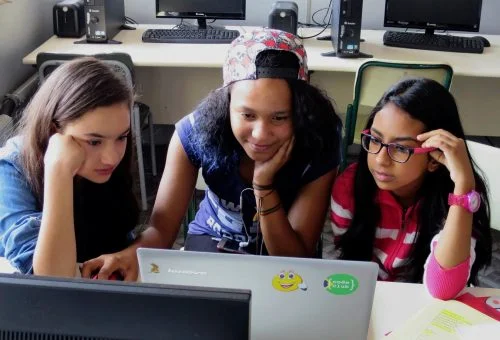
The more interesting part of the Experience AI expansion across Latin America isn't the country list. It's the delivery model. Rather than shipping a single curriculum from one central team, the programme is being run through local organisations that already know how teachers get trained in their own systems. That's a practical bet, and it's one that tends to decide whether a classroom programme survives its first year.
Experience AI is the AI literacy programme from the Raspberry Pi Foundation. The aim is to give teachers training and classroom resources so that young people build a foundational understanding of AI technologies, their social and ethical implications, and the part AI plays in their everyday lives. The expansion to nine more countries in the region is supported by Google.org, and it runs through partner organisations rather than direct delivery alone.
Launch events and what they signal
Over the past few months, launch events have taken place in Brazil, Chile, Argentina and Mexico. Those events drew educators, policymakers, universities, non-profit organisations and technology leaders into the same rooms, with a shared question on the table: how AI literacy becomes a normal part of classroom time in each country.
For an engineer or technician looking at this from the outside, the attendee list matters. Getting university researchers, school-level educators and industry people in one place tells you the programme is trying to solve a supply problem as well as a content problem. Schools need teachers who feel confident explaining how AI systems are trained, where they fail and why their outputs need checking. Teachers need training that fits into timetables they already have. Those are two separate problems, and a launch event can only start on both.
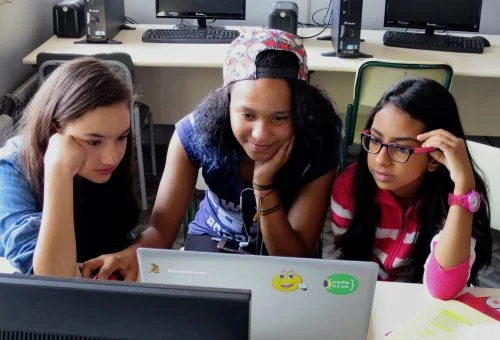
Partners who already run teacher training
The four partners named so far are Fundación Sadosky in Argentina, Fundación Kodea in Chile, Sincroniza Educação in Brazil and Educación para Compartir in Mexico. What they share is a track record in teacher professional development and education, which is the part of the chain most programmes underestimate.
Each partner is adapting the programme to its own education system. The Raspberry Pi Foundation works with each one individually and also brings them together to work through shared challenges. Here's the thing: a curriculum that works in a Chilean secondary school may need different scheduling, different teacher credentials or different assessment routines in a Mexican one. A distributed model accepts that variation up front rather than discovering it halfway through a rollout.
Argentina: training through a university network
Experience AI was officially launched in Argentina in June, at a Google event in Buenos Aires.
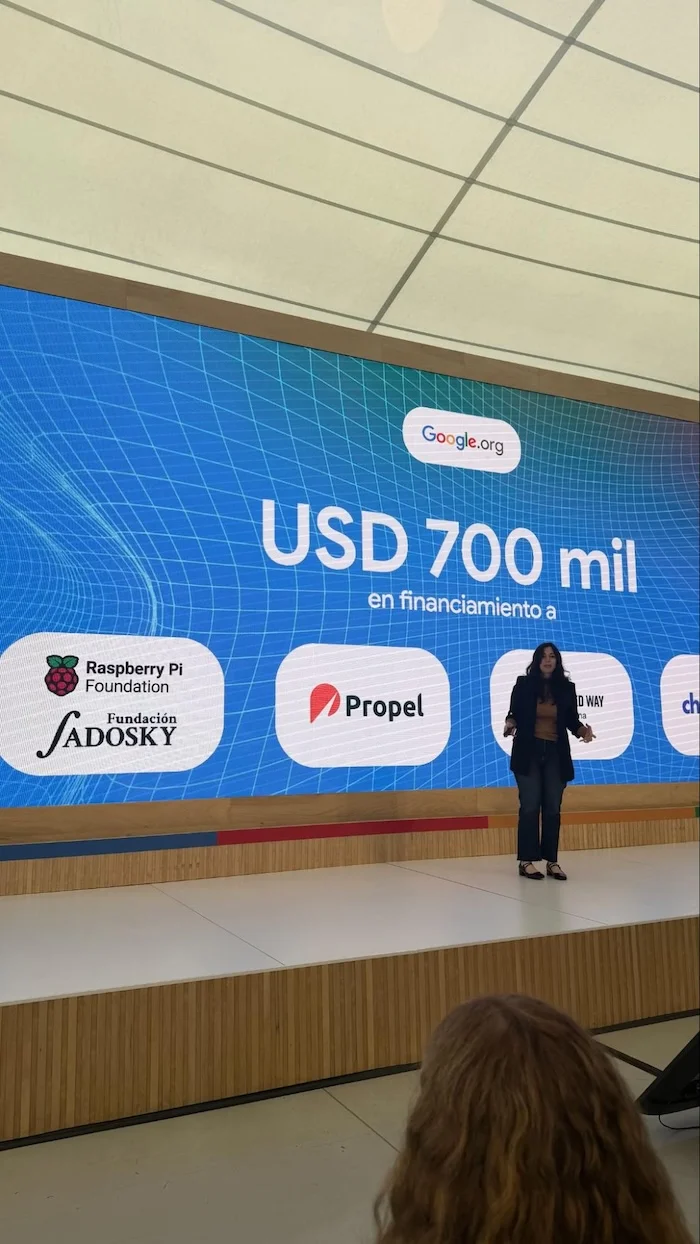
Fundación Sadosky is handling teacher professional development differently from the approach a single central team would take. It is working through a network of public universities across the country. Training reaches educators in several regions, and it builds on expertise and educational networks that already exist locally.
That structure has a clear trade-off. A central training team is easier to keep consistent, and it can iterate on materials quickly. A university network spreads the load and puts trainers close to the teachers they serve, but it means quality depends on how well each node is supported. Building regional trainers is how the programme tries to make that trade-off pay off. Once a university has trained its own people, the capacity stays in the region after external funding or launch momentum fades. That's the mechanism behind the claim that the impact can outlast the first rollout, and it's the part to watch.
The first cohort of participating universities is already working with teachers across several Argentinian provinces. The programme will expand nationwide after that. The stated aim is to support around 1,700 secondary school teachers and reach an estimated 153,000 students.
From launch to classroom
The next phase is less about events and more about what happens in a classroom on an ordinary Tuesday. The Raspberry Pi Foundation describes the focus as practical action: supporting teachers and getting Experience AI into lessons across the region.
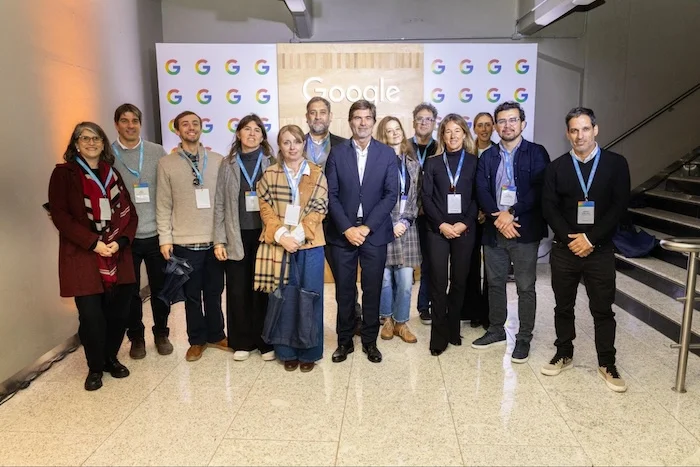
The programme also plans to add new partners across Latin America. Each one will bring its own training channels and its own education system constraints, so the model will be tested by how well it absorbs that variety without losing consistency.
The stated 2028 targets give the expansion a measurable end point. By then, the Raspberry Pi Foundation and its Latin American partners aim to support 24,000 more educators and reach more than 1.25 million young people through Experience AI. Those are the numbers to track against actual teacher uptake. Launch events and partner announcements are easy to count. Trained teachers who keep teaching the material after the first term are harder to count, and they are a better measure of whether the model is working.