Space Robotics at IROS 2026: Lunar Construction, Phobos Sampling and Orbital Servicing
- Published
- Author
- IEEE Robotics and Automation Society (RAS)
- Reads
- 744
IROS 2026 speakers outlined robotic work for lunar infrastructure, Phobos sampling and debris removal, with autonomy and Earth applications shaping the field.
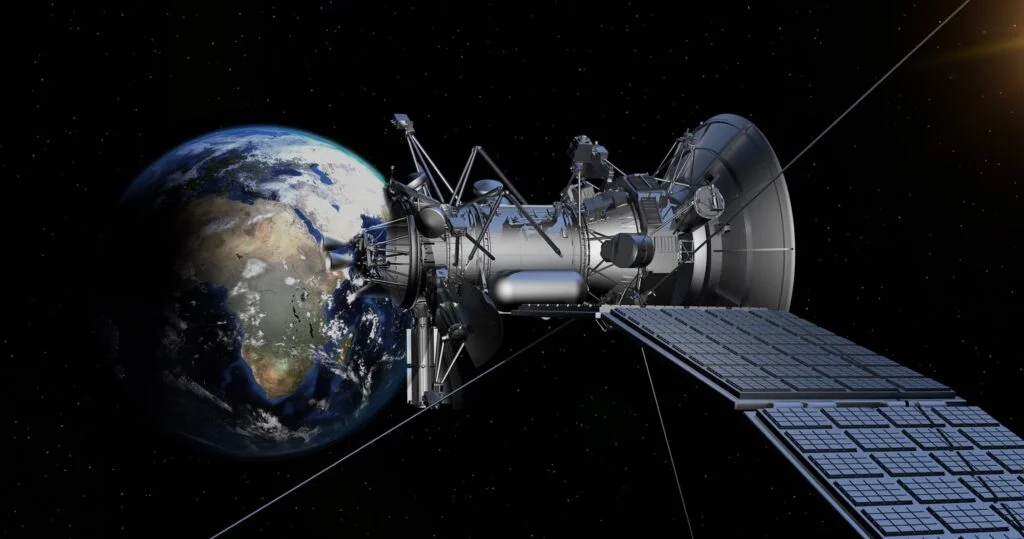
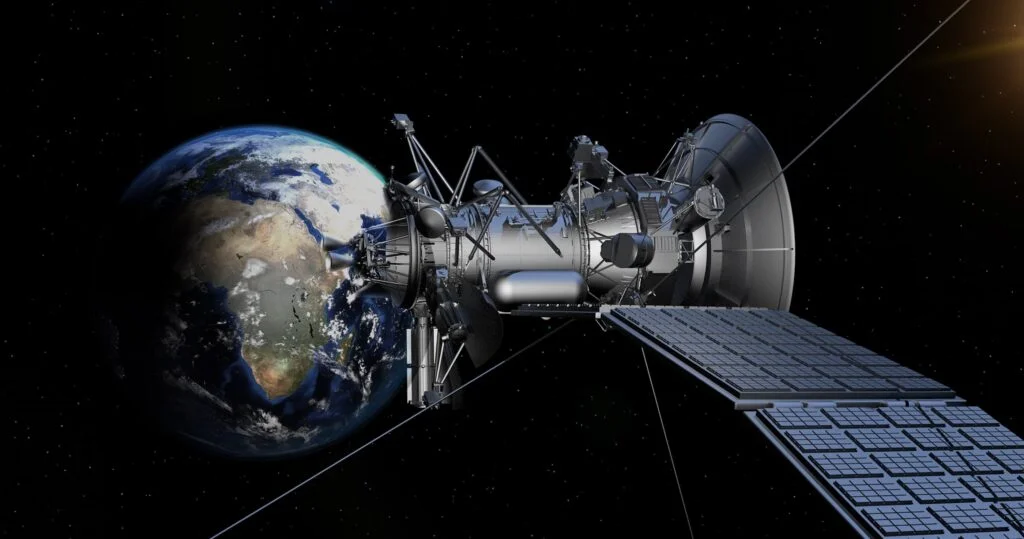
Robots are set to take on much of the repetitive, high-risk work needed to expand human activity beyond Earth orbit: moving cargo, assembling infrastructure, handling samples and servicing spacecraft. At an IROS 2026 plenary session in Pittsburgh, speakers from NASA, JAXA and academia described projects that make autonomy and reliable material handling central to future lunar and orbital operations.
The engineering case reaches beyond spaceflight. Rob Ambrose, a professor at Texas A&M and former NASA principal technologist for robotics and autonomy, connected lunar construction and resource work with terrestrial industries such as logistics, mining, transport and solar power. He estimated that the Earth markets he discussed exceed US$10 trillion. The practical overlap lies in tasks such as moving heavy materials, assembling structures and operating where human access is difficult or costly.
Ambrose noted that Earth orbit is likely to remain the largest space market for the foreseeable future, even as activity on the Moon and later Mars grows. The International Space Station already relies on robots to unload cargo vehicles, move equipment and store materials for disposal. Those operations save crew time for work that requires people. One presentation animation compressed about six weeks of station activity into two minutes, illustrating how much routine labor can sit behind an apparently simple sequence of logistics tasks.
Ambrose called NASA “essentially a real estate endeavour,” arguing that location shapes activity across the solar system. His point was that building capability for lunar operations could yield techniques and systems useful in much larger industries on Earth, even while near-term space commerce remains concentrated in orbit.
Robotic work around a lunar base
Kim Hambuchen, deputy chief of the Software, Robotics and Simulation Division at NASA’s Johnson Space Center, described a shift in NASA’s human spaceflight plans. After pausing plans for Gateway, an orbital outpost around the Moon, NASA is focusing on its MoonBase project. Its initial operating capability is targeted for 2029, with a semi-permanent human presence as the longer-term goal.
That plan depends on machines that can prepare and maintain a working site before and between crew visits. Robots will need to build and connect habitats, carry supplies, distribute power and work with lunar material. In-situ resource utilisation, or ISRU, could eventually support production of water, rocket fuel and breathable air. These jobs may need to continue when astronauts are away from the surface, making reliable autonomous operation a central design requirement.
Mobility platforms are part of that system. Hambuchen cited NASA’s VIPER rover, designed to investigate lunar volatiles, along with vehicles under development by Astrolab and Lunar Outpost. JAXA is developing a pressurised rover with partners. These vehicles are intended to carry people, but they’ll also need robotic operating modes for scouting and science when crews aren’t present.
Getting around is only one part of the workload. Landers will deliver cargo that must be unloaded, and equipment has to move between vehicles, habitats and work sites. Waste handling also takes time, as it does aboard the ISS. Hambuchen said astronauts should spend their limited surface time on science rather than unloading cargo in spacesuits. That puts a premium on machines that can identify payloads, handle them safely and move them to the right locations with limited supervision.
NASA is also seeking technologies for deep-space robotic autonomy. The Moon is close enough for some intervention from Earth, Hambuchen said, but longer-distance missions involving more complex systems will need robots that can diagnose and respond to problems without waiting for ground teams. Communication delay changes the balance between remote control and onboard decision-making; autonomy must therefore be designed around the tasks, operating conditions and consequences of failure.
Sampling and servicing in orbit
Hiroshi Ueno of JAXA described programmes supporting commercial development in areas including orbital manufacturing and assembly, spacecraft mobility, refuelling, space logistics and debris removal. One demanding robotic task is part of the Martian Moons eXploration mission, or MMX: visiting Phobos, collecting a sample and returning it to Earth.
The sampling system must work with limited information about the landing site and a short window for surface operations. A slide showed a coring mechanism designed to collect more than 10 grams of regolith in under a minute. Ueno highlighted uncertainty about the surface, communication delays and tight time constraints. Together, those conditions leave little room for lengthy ground-directed adjustments, so the sampling sequence and mechanism have to work within a narrow operational window.
JAXA is also working with Japanese companies on debris removal. The first phase of its Commercial Removal of Debris Demonstration programme developed rendezvous and proximity-operation capabilities for non-cooperative targets—objects that don’t provide navigation signals or other aids used by cooperative spacecraft. The next phase is intended to capture and remove a larger piece of debris.
Under this model, companies lead design, manufacturing, testing and operations, while JAXA sets technical and safety requirements, offers advice and provides access to facilities. The programme aims to improve the orbital environment while helping establish a market for servicing. Ueno said wider adoption will depend in part on more autonomous docking and standardised interfaces that reduce the need for ground intervention.
Robots already support experiments and inspection aboard the ISS, including in Japan’s Kibo module. The examples from the plenary point to a common engineering challenge: machines must handle useful work with less direct human oversight, whether they’re unloading cargo, sampling Phobos or approaching an uncooperative object. Progress will depend on turning autonomy, mobility and repeatable interfaces into dependable operations across very different environments.