Sizewell C Cost Overruns Could Add £21.8bn to Public Costs, PAC Warns
- Published
- Author
- Joseph Martinez
- Reads
- 596
A committee warns Sizewell C’s financing could leave consumers carrying most cost overruns, while investors’ losses remain limited.
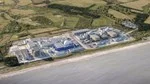
Sizewell C’s financing structure could leave the public carrying most of the cost if construction exceeds its estimate, according to a report by the cross-party Public Accounts Committee. The committee says costs above £47.7bn could mean an additional £21.8bn for the public over the reactors’ 60-year lifespan, while private investors would receive £3.76bn in extra profit.
The committee describes the arrangement as exposing consumers to substantial risk: their costs could rise through higher bills, while private investors’ contribution to overruns would be capped at £30m. Investors are expected to earn a 10% return on their investment. The figures make the central issue clear: who bears the financial consequences if the project’s final cost climbs beyond its current estimate?
A large project with a long cost horizon
Sizewell C is planned as two nuclear fission reactors at the existing site in Suffolk. Its current expected cost is at least £40.5bn, and it is designed to generate 3.2 GW of power. That output would amount to around 10% of the UK’s total electricity demand over the last year, according to the figures cited in the report.
The £21.8bn figure concerns additional public costs if the project’s total cost rises above £47.7bn. It is spread across a 60-year period, rather than describing a single construction bill due at completion. That distinction matters when comparing the headline estimate with the public’s potential long-term exposure. The committee also projects £3.76bn in extra profit for private investors under the same scenario.
Sizewell C was greenlit last year. Its developers point to the European Pressurised Reactor (EPR), a design used by EDF, and describe it as mature. Their case is that repeating a known design could make the project’s estimated launch window of 2039–2043 more achievable. Reusing a reactor design can draw on earlier engineering and delivery experience; it does not, by itself, settle the cost or schedule of a new build.
Construction risk sits behind the forecast
The committee’s warning rests in part on the delivery record of comparable projects. It said no comparable nuclear power station anywhere in the world had been delivered on time and on budget. EPR plants in Finland and France were delayed by at least 12 years, while the UK’s Hinkley Point C project has also faced delays and budget overruns.
Those examples do not establish the final cost or schedule for Sizewell C. They do show why the committee questions whether a cost estimate and an established reactor design are enough to contain delivery risk. Large nuclear projects depend on construction progressing across many years; the practical test is whether the design, workforce and supply chain can deliver the planned work at the expected pace and cost.
For Sizewell C, the financing terms determine how that uncertainty is shared. According to the committee, private investors have limited exposure to overruns compared with the public, despite the prospect of a 10% return. Its criticism is therefore about the balance between investor returns and downside risk, not simply the size of the project’s initial estimate.
Financing terms and the industry’s case
The committee says the deal was negotiated in poor market conditions, when there was only “one viable option” for the reactor design and site. It argues that this left the Department for Energy Security and Net Zero with little commercial leverage in negotiations with private investors.
The UK National Wealth Fund’s equity stake also fell from an initial 90% to 45%. At the same time, the fund is lending £37bn of the project’s total £42bn in debt, according to the report. The committee wants the project’s financial risks to be distributed more fairly in future schemes, including small modular reactors, and has called for a plan to build confidence in the UK nuclear sector.
A spokesperson for the department rejected the committee’s findings, arguing that they overlook investors’ incentive to complete construction as cheaply and quickly as possible. The spokesperson said Sizewell C could save £2bn a year across the energy system once operational and pointed to more than 2,000 workers already on site.
Tom Greatrex, chief executive of the Nuclear Industry Association, argued that more baseload generation is needed to address the costs of managing a dysfunctional grid. He said consumers had paid £2.8bn so far this year to manage it, including payments for wind generation to stop at some times and gas-powered backup at others. In his view, repeating a known reactor design is the most cost-effective way to add baseload power.
Nigel Cann, chief executive of Sizewell C Ltd, said the project would provide reliable low-carbon electricity and support energy independence and lower bills. He argued that the team is using practical experience, a proven design, a skilled workforce and an experienced supply chain to improve productivity and reduce risk. Those are the project’s stated delivery aims; the committee’s warning concerns how the financial consequences would fall if the aims are not met.
What the cost warning means
The competing arguments point to the same engineering challenge from different directions. Sizewell C is intended to add a large, steady source of electricity, while its construction requires a long build programme and substantial financing. Reusing an EPR design may support delivery, but the record cited by the committee leaves schedule and cost performance as key uncertainties.
The financing figures make those uncertainties consequential beyond the construction site. If costs exceed the specified threshold, the report’s projections leave the public facing far greater exposure than private investors. The practical measure to watch is whether construction progress and cost control can narrow that gap between the expected project cost and the long-term bill described by the committee.


