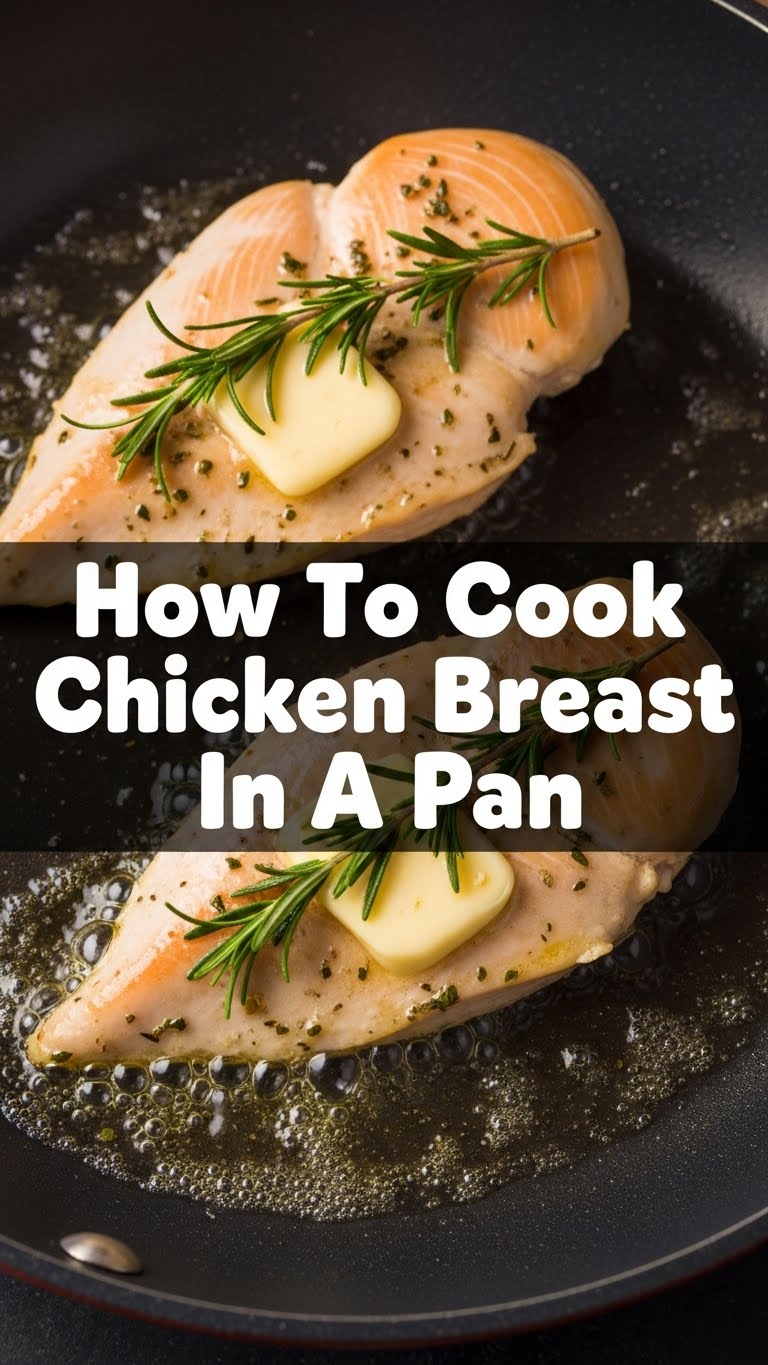
So, you’re staring at that lonely chicken breast in the fridge, craving something tasty but too lazy to spend forever in the kitchen, huh? Same, friend, same. We’ve all been there – the best intentions, the sudden hunger, and the realization that takeout might be faster than deciphering a complex recipe. Well, buckle up, buttercup, because today we’re tackling the humble pan-seared chicken breast, and we’re gonna make it *zing* without breaking a sweat (or a plate).
Why This Recipe is Awesome
Because it’s practically idiot-proof. Seriously, if I can do it without setting off the smoke alarm, you can too. This isn’t just a recipe; it’s a life hack disguised as dinner. It’s fast, it’s flavorful, and it gives you that “I totally know what I’m doing in the kitchen” vibe, even if five minutes ago you were Googling “how to boil water.” Plus, it’s super versatile – a blank canvas for whatever culinary mood strikes your fancy. Think of it as your new go-to for weeknights when you’re feeling fancy, but also when you’re just feeling “feed me now, please.”
Ingredients You’ll Need
Don’t sweat it; this list is shorter than your patience for bad drivers. Here’s what you’ll want:
- Chicken Breasts: 2 boneless, skinless. The main event! About 6-8 oz each.
- Olive Oil (or your fave cooking oil): A glug or two. We’re not deep-frying, just getting a nice sear.
- Butter (optional, but highly recommended): 1-2 tablespoons. Because butter makes everything better, fight me.
- Salt: A generous pinch. Don’t be shy!
- Black Pepper: Freshly cracked, if you’re feeling extra.
- Garlic Powder (optional): About 1/2 teaspoon. For that “mmm, what’s that delicious smell?” factor.
- Paprika (optional): Another 1/2 teaspoon. Adds a lovely color and subtle smokiness.
- Any other herbs/spices you fancy: Thyme, oregano, chili flakes – go wild, you culinary rebel!
Step-by-Step Instructions
- Prep Your Chicken: Pat those chicken breasts *super* dry with paper towels. This is crucial for a good sear! If they’re wet, they’ll steam instead of sizzle. If they’re super thick, you might want to slice them horizontally to make two thinner cutlets or pound them to an even thickness.
- Season Like a Pro: Sprinkle both sides of your chicken generously with salt, pepper, garlic powder, and paprika (if using). Don’t just tickle them with spices; give ’em a good rubdown.
- Heat That Pan: Grab a heavy-bottomed skillet (cast iron is my MVP here, BTW). Place it over medium-high heat. Let it get nice and hot – you should see a tiny wisp of smoke or feel the heat radiating when you hold your hand an inch above it. Add your olive oil.
- Sear It Up: Gently place the seasoned chicken breasts in the hot pan. Make sure not to overcrowd the pan; cook in batches if you need to. Listen for that glorious sizzle! Let them cook undisturbed for about 5-7 minutes, or until they have a beautiful golden-brown crust.
- Flip & Finish: Flip the chicken breasts. If you’re adding butter, now’s the time. Let it melt and baste the chicken a bit. Continue cooking for another 5-7 minutes, or until the internal temperature reaches 165°F (74°C) using a meat thermometer.
- Rest, You Deserve It: Transfer the cooked chicken to a cutting board. Let it rest for at least 5 minutes before slicing. This lets the juices redistribute, ensuring tender, juicy chicken instead of a dry, sad puck.
- Slice and Serve: Slice against the grain (fancy talk for cutting across the muscle fibers for maximum tenderness). Serve it up with whatever sides your heart desires!
Common Mistakes to Avoid
- The Wet Chicken Fiasco: Not patting the chicken dry. Seriously, this is a one-way ticket to sad, pale chicken. Don’t be that person.
- Cold Pan Syndrome: Throwing chicken into a cold pan. The chicken will stick, and you won’t get that gorgeous crust. Patience, young padawan!
- Overcrowding the Pan: Trying to cook too much chicken at once. This drops the pan’s temperature, leading to steaming instead of searing. Give your chicken some space!
- The Overcooking Tragedy: Cooking until it’s tougher than shoe leather. Chicken breast cooks fast! Use a thermometer if you’re unsure. 165°F is the magic number.
- Skipping the Rest: Cutting into the chicken right away. All those delicious juices will spill out, leaving you with dry meat. Give it a moment to chill!
Alternatives & Substitutions
Think of this as your culinary playground! The beauty of this simple recipe is how easily you can tweak it.
- Oil Options: Not feeling olive oil? Avocado oil, grapeseed oil, or even coconut oil (for a subtle flavor) work great. Just pick something with a high smoke point.
- Spice Rack Adventure: Ditch the garlic powder and paprika for something new! Try a Cajun blend, Italian seasoning, lemon pepper, or even just fresh chopped herbs like rosemary or thyme added with the butter during the last few minutes of cooking.
- Butter vs. Oil: A combo of both gives the best of both worlds – oil for searing at high heat, butter for flavor and a richer finish. But if you’re strictly avoiding butter, just stick to oil. Your chicken will still be tasty, just maybe a tiny bit less decadent.
- Thighs vs. Breasts: If you’re more of a dark meat fan, chicken thighs are incredibly forgiving and delicious cooked this way too. They just take a little longer to cook through!
FAQ (Frequently Asked Questions)
- Do I *really* need to pat it dry? Yes, you absolutely, unequivocally do. Unless you enjoy rubbery, steamed chicken. Your call, but my recommendation stands firm.
- How do I know it’s cooked without a thermometer? You can slice into the thickest part; if the juices run clear and there’s no pink, it’s likely done. But honestly, a meat thermometer is your best friend here. No more guesswork, no more dry chicken!
- Can I use frozen chicken? Please, for the love of all that is delicious, thaw it first! Cooking frozen chicken in a pan will yield uneven results and a longer cooking time. Plan ahead, my friend!
- My chicken is sticking to the pan, what gives? Either your pan isn’t hot enough, or you tried to flip it too soon. Let it form that crust; it’ll release naturally when it’s ready. Don’t force it!
- Butter or oil, what’s the real deal? IMO, both. Oil gets you the crispy sear, butter adds richness and flavor. If you can only pick one, oil is better for the initial sear, and you can add butter near the end for flavor.
- Can I add veggies to the same pan? You bet! After you’ve cooked the chicken and removed it to rest, toss in some sliced bell peppers, onions, asparagus, or broccoli florets. Cook until tender-crisp, maybe adding a splash of broth or water to deglaze the pan. Instant one-pan meal!
Final Thoughts
See? That wasn’t so scary, was it? You just whipped up a delicious, perfectly cooked chicken breast. You’re basically a kitchen wizard now. This simple skill opens up a world of possibilities for quick, healthy, and incredibly tasty meals. Now go impress someone—or yourself—with your new culinary prowess. You’ve earned it! And next time you’re feeling lazy, remember this little trick. Your taste buds (and your schedule) will thank you.