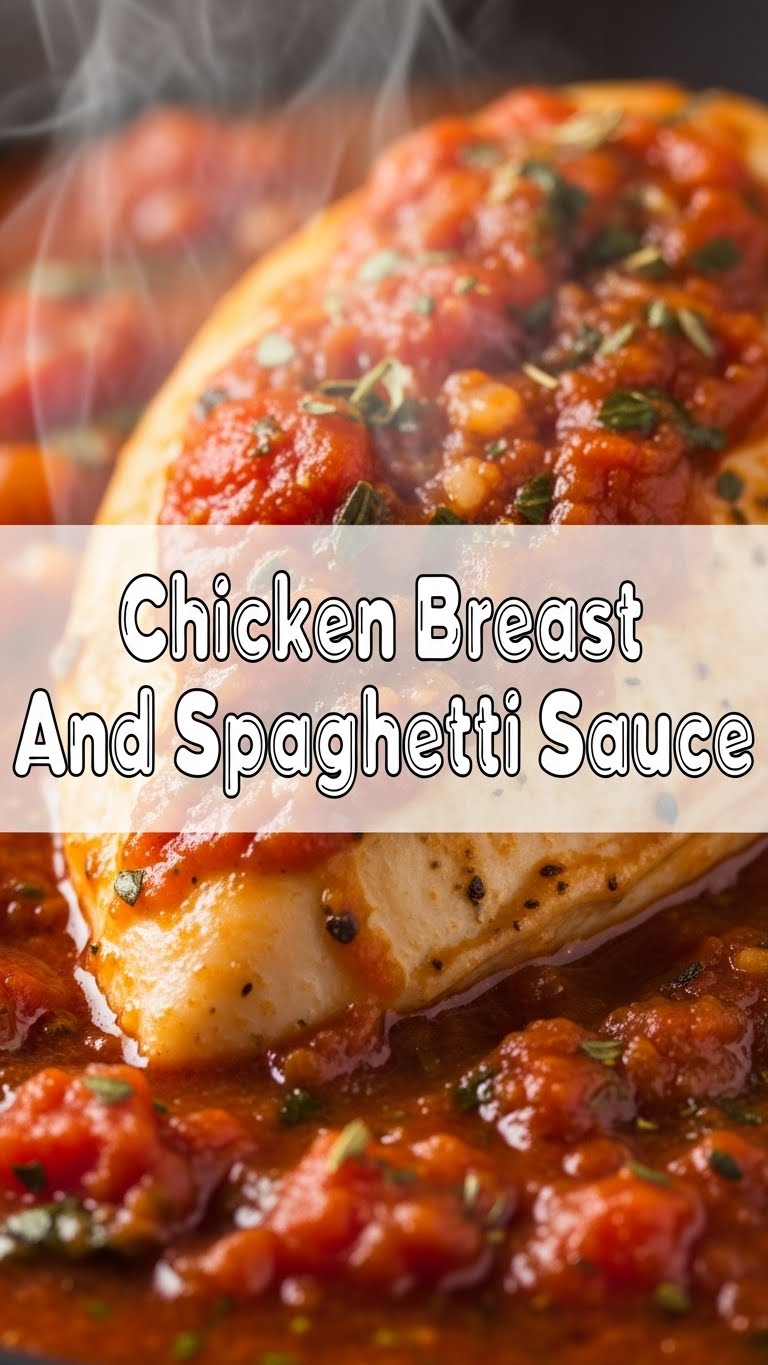
So, you’ve stared into your fridge for the 17th time today, seen that lone chicken breast looking back, and thought, “What now?” And then your eyes landed on that trusty jar of spaghetti sauce gathering dust. Ding, ding, ding! You just won the easy dinner lottery. Let’s make something ridiculously good with minimal effort, shall we?
Why This Recipe is Awesome
Okay, first off, it’s **fast**. Like, ‘dinner in 30 minutes, even if you’re multitasking watching cat videos’ fast. Secondly, it’s **delicious**. Seriously, it tastes like you actually *tried*, but you barely lifted a finger. Thirdly, and perhaps most importantly, it’s **one-pan-ish friendly**. Less dishes = happier you. Plus, it’s virtually impossible to mess up, which is great news for, well, *all* of us.
Ingredients You’ll Need
- Chicken Breasts (2 medium-sized): Your blank canvas. Make ’em boneless, skinless, because who has time for extra faff?
- Jarred Spaghetti Sauce (1 standard 24oz jar): Your secret weapon. Pick your fave! Marinara, arrabbiata, chunky veggie – whatever makes your heart sing (and your belly happy).
- Olive Oil (1-2 tbsp): For getting that beautiful sear. Don’t be shy, but don’t drown it.
- Garlic (2 cloves, minced): Because everything is better with garlic. If you’re using jarred minced garlic, I won’t judge. Much.
- Onion (1/2 small, diced): Adds a nice layer of flavor. Or skip it if you’re feeling *really* lazy, I won’t tell.
- Dried Oregano (1/2 tsp): For that classic Italian vibe.
- Red Pepper Flakes (1/4 tsp or to taste): If you like a little kick. Optional, but highly recommended for pizzazz.
- Salt & Black Pepper: To taste. Don’t forget these flavor MVPs!
- Parmesan Cheese (for serving, optional but HIGHLY recommended): Because cheese makes everything better, **FACT**.
- Fresh Basil or Parsley (for garnish, optional): Makes you look fancy.
Step-by-Step Instructions
- Prep Your Chicken: Pat those chicken breasts dry with a paper towel. This is crucial for a good sear! Season generously with salt and pepper on both sides.
- Sear the Chicken: Heat your olive oil in a large skillet (oven-safe, if possible!) over medium-high heat. Once hot, add the chicken breasts and cook for 3-5 minutes per side until beautifully golden brown. **Don’t cook them all the way through yet!** Just get that lovely crust. Remove chicken from the pan and set aside.
- Sauté Aromatics: Reduce heat to medium. Add the diced onion to the same pan and cook for 3-4 minutes until softened. Toss in the minced garlic and red pepper flakes (if using) and cook for another minute until fragrant. Oh, that smell!
- Sauce It Up: Pour in your jar of spaghetti sauce. Stir in the oregano. Bring it to a gentle simmer, scraping up any browned bits from the bottom of the pan – that’s flavor gold right there!
- Return the Chicken: Nest the seared chicken breasts back into the sauce. Make sure they’re mostly submerged.
- Simmer & Cook: Cover the skillet and let it simmer for 10-15 minutes, or until the chicken is cooked through. **FYI: It should reach an internal temperature of 165°F (74°C).** If your pan isn’t oven-safe, you can finish it on the stovetop. If it *is* oven-safe, pop it into a preheated 375°F (190°C) oven for the same amount of time for a slightly more even cook and less fuss.
- Serve It Up: Remove from heat. Garnish with fresh basil or parsley if you’re feeling extra. Serve hot with a generous sprinkle of Parmesan. Pasta on the side? Rice? Crusty bread? You do you!
Common Mistakes to Avoid
- Not Patting the Chicken Dry: This is like step one for a reason! Wet chicken steams, it doesn’t sear. You want a nice crust, not sad, pale poultry.
- Overcrowding the Pan: Trying to cram too much chicken in at once will drop the pan’s temperature and prevent proper searing. Cook in batches if needed! Patience, grasshopper.
- Skipping the Aromatics: Sure, it’s extra steps, but sautéing onion and garlic before adding the sauce adds so much depth. It makes your jarred sauce taste like *your* amazing sauce.
- Overcooking the Chicken: Nobody likes dry chicken. Keep an eye on it! A meat thermometer is your best friend here, seriously. **165°F is the magic number!**
- Forgetting to Taste: Always taste and adjust seasonings before serving. A pinch more salt? A dash more pepper? You’re the chef!
Alternatives & Substitutions
- Chicken Thighs instead of Breasts? Absolutely! Thighs are more forgiving and stay super juicy. Just adjust cooking time, they might need a few extra minutes.
- Different Veggies? Feel free to toss in some sliced mushrooms, bell peppers, or even a handful of spinach when you add the sauce. Instant veggie boost!
- Got Fresh Tomatoes? If you’re feeling ambitious, chop up a couple of fresh tomatoes and throw them in with the sauce for extra freshness.
- No Oregano? Try a pinch of dried Italian seasoning or even some fresh thyme. It’s all good.
- Spice Level: Crank up those red pepper flakes if you’re a heat seeker, or skip them entirely if mild is more your jam.
FAQ (Frequently Asked Questions)
- Can I use frozen chicken? You *can*, but please **thaw it completely first!** Trying to sear frozen chicken is a recipe for disaster (and uneven cooking).
- What if I don’t have an oven-safe skillet? No sweat! Just finish cooking the chicken entirely on the stovetop, covered, ensuring it reaches 165°F. You can always transfer it to an oven-safe dish if you really want to finish it in the oven.
- Can I add cheese *into* the sauce? Oh, you sneaky genius! Yes, a handful of shredded mozzarella or provolone stirred in at the end, then covered for a minute to melt, is divine. **Cheesy chicken, anyone?**
- How long do leftovers last? Stored in an airtight container in the fridge, it’s usually good for 3-4 days. Perfect for lunch tomorrow!
- Is this dish freezer-friendly? Yup! Let it cool completely, then transfer to a freezer-safe container. It should last up to 3 months. Thaw in the fridge overnight and reheat gently.
- Can I use ground chicken instead? You totally can! Brown the ground chicken first, drain any fat, then proceed with the recipe from the “Sauté Aromatics” step, adding it back with the sauce.
Final Thoughts
See? That wasn’t so scary, was it? You just whipped up a seriously tasty, comforting meal that looks and tastes like you spent ages on it, but your secret is safe with me. Now go impress someone—or yourself—with your new culinary skills. You’ve earned it (and probably deserve a nap after all that *intense* cooking). Happy eating, my friend!