So, you’re standing in front of the fridge, staring at that pack of chicken breasts, probably wondering if you can magically turn it into something that doesn’t taste like… well, chicken breast. We’ve all been there. It’s the ultimate healthy go-to, the MVP of meal prep, but let’s be honest, it can be a bit… *beige* if you don’t know its secrets. But what if I told you this humble protein powerhouse is not only super versatile but also packed with the good stuff your body craves, without making you feel like you’re eating a cardboard cut-out? Get ready to give your chicken breast an upgrade – and learn why it’s secretly your best nutritional friend!
Why Your Chicken Breast (and This Simple Method) Is Awesome
Okay, “recipe” might be a strong word here. Think of this more as a “method to not mess up chicken breast and actually enjoy it while soaking up all its amazing benefits.” It’s so ridiculously simple, even I, someone who once mistook baking soda for baking powder (don’t ask), can nail it every time. Seriously, this isn’t just about avoiding dry, sad chicken; it’s about unlocking a protein goldmine that’s low in fat, high in muscle-building goodness, and basically a blank canvas for any flavor you can dream up. Plus, we’re talking minimal fuss, maximum gain. Who doesn’t love that combo?
Ingredients You’ll Need (For a Chicken Breast Glow-Up)
No obscure spices or fancy equipment here, just the basics to get your chicken breast from “meh” to “more, please!”
- 2 Boneless, Skinless Chicken Breasts: The stars of our show. Try to get ones that are roughly similar in size for even cooking, unless you enjoy one piece being perfectly done and the other still doing the chicken dance.
- 1-2 tbsp Olive Oil: Your chicken’s best friend. Helps with browning and keeps things from sticking. Also, good fats, yay!
- Salt & Black Pepper: The dynamic duo. Don’t skip these; they’re essential for flavor. We’re not making astronaut food here.
- Optional Flavor Boosters:
- Garlic Powder / Onion Powder: Because everything is better with garlic and onion. It’s science.
- Paprika: Adds a lovely color and a hint of warmth.
- Dried Herbs (Thyme, Oregano, Rosemary): For when you’re feeling a bit fancy, but still lazy.
Your Idiot-Proof Path to Delicious Chicken Breast
- Prep Your Chicken: Pat those chicken breasts dry with a paper towel. Seriously, this is key for a good sear. If they’re super thick, you can lightly pound them to an even thickness (about ¾-1 inch) – this ensures they cook evenly and quickly. No raw middles, no dry edges!
- Season Like a Pro: Drizzle both sides of the chicken with olive oil. Then, go wild (but not *too* wild) with salt, pepper, and any other seasonings you’re using. Rub ’em in nicely. Don’t be shy; bland chicken is a sad chicken.
- Heat Things Up: Place a skillet (cast iron or stainless steel works best) over medium-high heat. Let it get nice and hot – you want a little sizzle when the chicken hits. Add a tiny bit more oil if needed.
- Sear It Sensibly: Carefully place the seasoned chicken breasts in the hot pan. Don’t overcrowd the pan; cook in batches if necessary. Let them sear undisturbed for about 5-7 minutes per side, until they’re beautifully golden brown and have that glorious crust.
- Check for Doneness: The internal temperature should hit 165°F (74°C). Use a meat thermometer if you have one (highly recommended!). No thermometer? Cut into the thickest part; the juices should run clear and the meat should be opaque throughout.
- Rest & Enjoy: Transfer the cooked chicken to a cutting board and let it rest for 5-10 minutes. This is crucial! It allows the juices to redistribute, keeping your chicken moist and tender. Slice it up and serve with your favorite sides!
Common Mistakes to Avoid (Unless You *Like* Dry, Bland Food)
We’ve all been there, making culinary blunders that could send Gordon Ramsay into a meltdown. Here are some easy ones to dodge:
- Not Pounding or Drying Your Chicken: This is like trying to run a marathon in flip-flops. You might get there, but it won’t be pretty. Dry chicken gets a good sear; even thickness means even cooking.
- Under-Seasoning: Do you want your chicken to taste like… well, nothing? Salt and pepper aren’t optional, they’re foundational. Be generous, but not like you’re trying to salt the entire ocean.
- Overcrowding the Pan: This cools down your pan, preventing a proper sear and steaming your chicken instead of browning it. Give your chicken some personal space!
- Overcooking: The absolute cardinal sin of chicken breast. Cook it past 165°F and you’re entering “shoe leather” territory. A thermometer is your best friend here, seriously.
- Skipping the Rest: Impatient much? Cutting into chicken straight out of the pan lets all those lovely juices escape, leading to dry meat. Give it a moment to chill!
Alternatives & Substitutions (Because Life’s Too Short for Just One Way)
This basic method is a springboard! Feel free to mix and match to keep things exciting:
- Seasoning Swaps: Don’t have garlic powder? Use fresh minced garlic! Craving a kick? Add some cayenne pepper or chili flakes. Lemon pepper, Italian seasoning, taco seasoning – the world is your oyster!
- Cooking Method: Pan-frying is quick, but you can also bake it (375°F/190°C for 20-25 mins), grill it (medium-high heat, 6-8 mins per side), or even air fry it for a crispy texture. Just adjust cooking times and always check temp!
- Add a Sauce: A simple pan sauce (deglaze the pan with broth or wine, add a touch of butter) or a dollop of pesto, salsa, or even a creamy mushroom sauce can elevate things instantly.
- Thighs vs. Breasts: While we’re all about those lean breast nutrition facts today, chicken thighs are also fantastic! They’re fattier, more forgiving if overcooked, and have a richer flavor. If you’re not counting every single macro, they’re a delicious switch.
FAQ (Frequently Asked Questions) About Your New BAE: Chicken Breast
Got questions? I’ve got (casual) answers!
- “Is chicken breast *really* that good for you?”
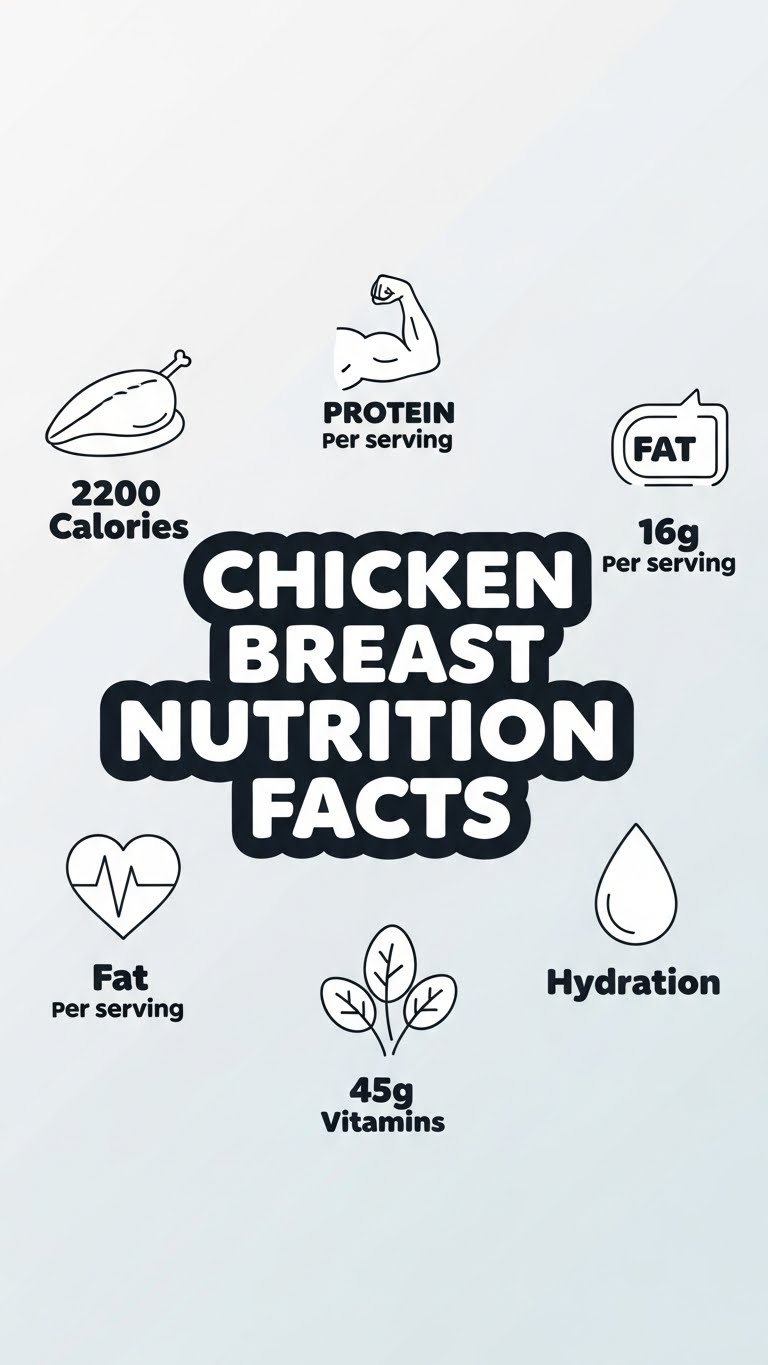
Oh honey, yes! We’re talking about a lean protein machine here. A standard 3.5-ounce (100g) cooked boneless, skinless chicken breast generally packs around 31 grams of high-quality protein, with only about 3.6 grams of fat (and very little saturated fat). It’s a superstar for muscle growth, satiety, and keeping you full without loads of extra calories. It’s also a good source of B vitamins and phosphorus. Win-win-win!
- “Should I worry about the fat content?”
Nope, not really, especially with boneless, skinless breasts. The fat content is super low. If you leave the skin on, that’s where most of the fat and calories hide, so if you’re watching those, definitely skin it. For a healthy diet, the fat in plain chicken breast is practically negligible.
- “Does cooking method affect nutrition?”
Great question! Frying in lots of oil adds calories and fat, obviously. But generally, baking, grilling, poaching, or pan-searing (like we did) preserves most of the nutrients. The key is not to burn it (that can create some less-than-ideal compounds) or drown it in unhealthy fats.
- “Can I eat chicken breast every day?”
You absolutely can! It’s a fantastic staple. Just make sure you’re pairing it with a variety of veggies, whole grains, and healthy fats to get a full spectrum of nutrients. Don’t let your plate be all chicken, all the time!
- “What’s the deal with antibiotics in chicken?”
Many brands now offer “antibiotic-free” or “raised without antibiotics” chicken if that’s a concern for you. The good news is, regardless, the chicken you buy in stores is safe to eat. If you’re concerned, look for labels that specify how the chickens were raised.
- “Is organic chicken breast nutritionally superior?”
Not necessarily in terms of macro-nutrients (protein, fat, calories). Organic chicken means the chickens were raised with organic feed, no antibiotics, and outdoor access. So, it’s more about animal welfare and avoiding certain chemicals in their feed than a huge nutritional difference for *you*.
Final Thoughts (Go Forth and Conquer!)
See? Chicken breast doesn’t have to be boring or a mystery! With a little seasoning, the right cooking method, and a dash of confidence, you can transform it into a delicious, healthy meal that actually hits the spot. Plus, now you’re armed with all those juicy nutrition facts to impress your friends (or just yourself, IMO). So go ahead, grab that chicken, fire up your skillet, and make some magic happen. Your taste buds and your body will thank you!