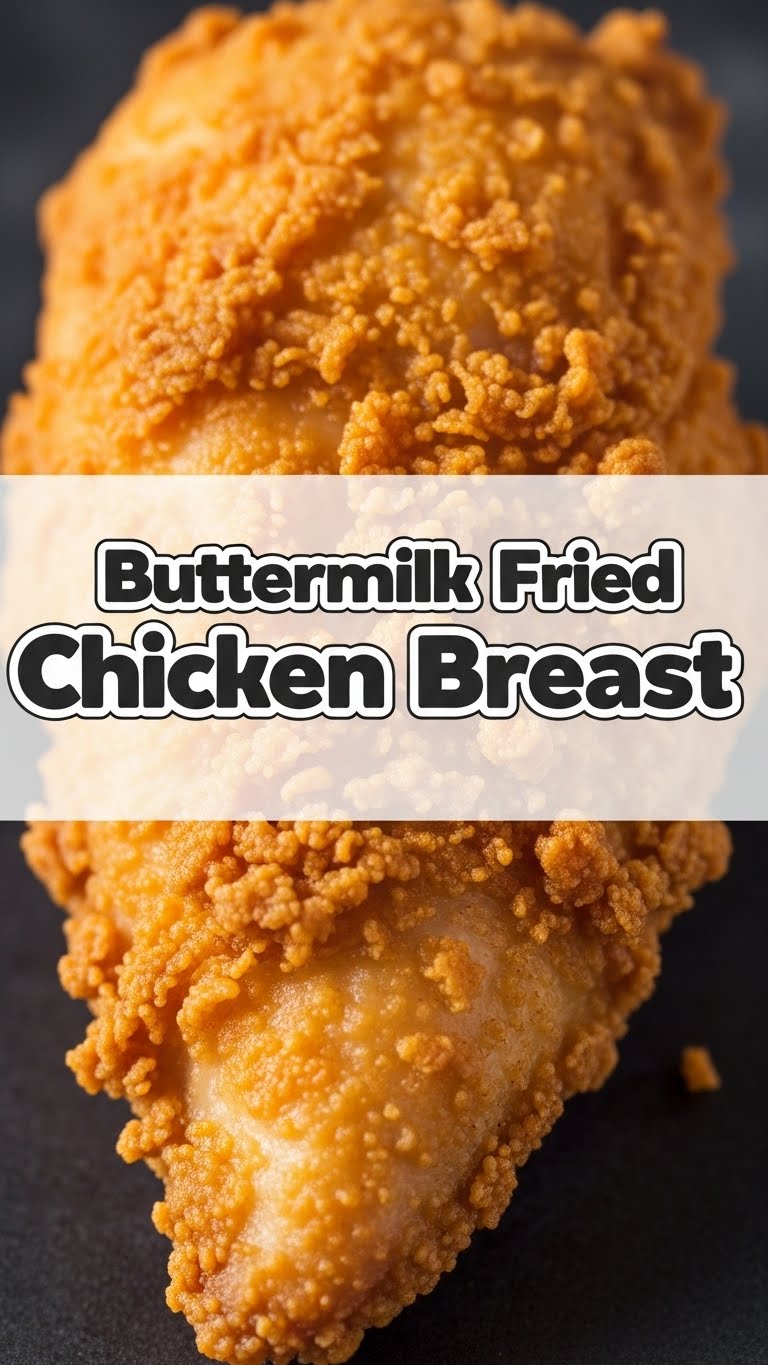
So, you’ve decided to embark on a culinary adventure that promises crispy, juicy glory, but without, you know, actually *adventuring* too hard? Welcome, my friend, to the world of buttermilk fried chicken breast. It’s like a hug for your tastebuds, but with a satisfying crunch that makes you question all your previous life choices. Get ready to impress yourself (and maybe everyone else) with minimal fuss. You got this!
Why This Recipe is Awesome
Listen, I get it. “Fried chicken” sounds like a whole *thing*. Deep fryers, oil splatters, the sheer commitment! But we’re talking **chicken breast** here, folks. Faster cooking, less fuss, all the ‘OMG, you made this?!’ reactions. Plus, buttermilk is basically a magic potion for chicken – it tenderizes and moistens like nobody’s business, making sure your chicken is never, ever dry. It’s so easy, even my cat *almost* followed the instructions (if he had opposable thumbs and an interest in anything other than sleeping and demanding treats).
This recipe delivers that coveted crispy crust without requiring a gallon of oil or a degree in thermodynamics. It’s perfect for a weeknight dinner when you’re craving something indulgent but don’t want to spend forever slaving away. Trust me, it’s idiot-proof, and I’m speaking from experience.
Ingredients You’ll Need
Gather ’round, pantry warriors! Here’s your arsenal for culinary triumph:
- **2 large boneless, skinless chicken breasts:** The star of our show. Aim for nice, plump ones, but not so thick they take an hour to cook. We’re not trying to slow-roast a turkey here.
- **1 cup buttermilk:** The magic potion. Don’t skip this. It’s what makes the chicken absurdly tender and juicy. No, regular milk with a splash of vinegar isn’t *quite* the same, but we can talk about emergency hacks later.
- **1 ½ cups all-purpose flour:** Our crispy coat foundation. Nothing fancy, just the good old white stuff.
- **1 tablespoon smoked paprika:** For that gorgeous color and a hint of smoky goodness.
- **1 tablespoon garlic powder:** Because everything is better with garlic. Duh.
- **1 teaspoon onion powder:** Garlic’s best friend, adds depth.
- **1 teaspoon cayenne pepper:** For a little kick! Adjust to your spice tolerance. Want to feel the heat? More cayenne! Just a little warmth? Less is more, buddy.
- **1 teaspoon salt (plus more for finishing):** Essential for flavor, obvi.
- **½ teaspoon black pepper:** Freshly ground is always best, but no judgment if you’re using pre-ground.
- **¼ cup hot sauce (optional, for marinade):** A dash in the buttermilk for an extra zing and subtle flavor. Trust me, it won’t make it *spicy*, just more interesting.
- **2-3 cups vegetable oil (or canola/peanut oil):** For frying. No, olive oil is not your friend here, unless you like smoky kitchens and burnt flavors. Stick to the basics, high smoke point is key!
Step-by-Step Instructions
Alright, let’s get cooking! Follow these simple steps for maximum deliciousness:
- **Pound That Chicken:** Place each chicken breast between two sheets of plastic wrap (or inside a large zip-top bag). Using a meat mallet or the bottom of a heavy pan, pound the chicken until it’s about ½ to ¾-inch thick and even. **We want even cooking, not burnt edges and raw centers. Nobody likes that.**
- **Marinade Magic:** In a medium bowl, combine the buttermilk, 1 teaspoon of salt, ½ teaspoon of black pepper, and the optional hot sauce. Add the pounded chicken breasts, making sure they’re fully submerged. Cover and refrigerate for at least 30 minutes, or even better, overnight for max tenderness. **This is where the magic starts, don’t rush it!**
- **Build Your Dredging Station:** In a shallow dish or plate, whisk together the flour, smoked paprika, garlic powder, onion powder, cayenne pepper, and the remaining 1 teaspoon of salt and ½ teaspoon of black pepper. Mix it really well.
- **Get Your Coat On:** Take one chicken breast out of the buttermilk, letting any excess drip off. Place it directly into the seasoned flour mixture. Press the flour firmly onto both sides of the chicken, ensuring it’s completely coated. Shake off any excess flour. Repeat with the second chicken breast. **We’re going for a crispy crust, not a doughy mess.**
- **Heat That Oil:** Pour your vegetable oil into a large, heavy-bottomed skillet (cast iron works beautifully) until it’s about 1 inch deep. Heat the oil over medium-high heat until it reaches about 350-375°F (a pinch of flour should sizzle immediately when dropped in). **Medium-high heat, not smoking-like-a-dragon hot.**
- **Time to Fry!** Carefully place the dredged chicken breasts into the hot oil. If your pan isn’t huge, you might need to fry them one at a time to avoid overcrowding. Fry for about 4-6 minutes per side, or until golden brown and the internal temperature reaches 165°F with a meat thermometer.
- **Drain and Season:** Once cooked, transfer the fried chicken to a wire rack set over a baking sheet lined with paper towels. Immediately sprinkle with a little extra salt while it’s hot. This helps create that irresistible crunchy finish.
- **Serve It Up:** Let the chicken rest for a couple of minutes before serving. Enjoy your masterpiece hot and crispy!
Common Mistakes to Avoid
Even the best of us make ’em. Here’s how to sidestep common fried chicken pitfalls:
- **Not Pounding the Chicken:** Seriously, don’t skip this. Uneven chicken = uneven cooking. We’re not making abstract art, we’re making dinner.
- **Skipping the Buttermilk Marinade:** Buttermilk is your tenderizing **BFF**. Don’t ghost it; it works wonders for juiciness and flavor.
- **Overcrowding the Pan:** This drops the oil temperature, leading to greasy, soggy chicken instead of crispy perfection. **Patience, grasshopper.** Cook in batches if necessary.
- **Oil Not Hot Enough or Too Hot:** Too cold, and your chicken will soak up oil and be greasy. Too hot, and it’ll burn on the outside while remaining raw inside. Get that temp just right!
- **Not Seasoning the Flour:** Bland chicken? Hard pass. Season everything, always. The flour mixture is a huge part of the flavor.
- **Draining on Paper Towels Directly:** This traps steam underneath, making the bottom crust soggy. Always use a **wire rack** over paper towels for optimal crispness.
Alternatives & Substitutions
Life happens, ingredients run out, or you just wanna switch things up. Here are some ideas:
- **Chicken Thighs:** If you’re a dark meat fiend, boneless, skinless thighs work beautifully. They tend to stay even juicier. Just might need a few extra minutes of frying time. Embrace the bone if you’re feeling adventurous!
- **No Buttermilk?** Okay, *emergency hack* time. Add a tablespoon of white vinegar or lemon juice to regular milk (about 1 cup), stir, and let it sit for 5-10 minutes. It’ll curdle slightly. It’s not *exactly* the same, but it’ll do in a pinch. **Don’t make it a habit, though.**
- **Gluten-Free Flour:** Yep, works! Just check the specific brand’s recommendations, some gluten-free flour blends can be a bit finicky, but usually a 1:1 substitute is fine.
- **Air Fryer:** If you want less oil and a slightly different texture, an air fryer can do a decent job. Spray the coated chicken generously with oil before air frying at 375°F for 15-20 minutes, flipping halfway. It won’t be *quite* the same as pan-fried, but still delicious and a lighter option.
- **Spice It Up (or Down)!** Feel free to play with the seasonings. Add a pinch of dried thyme, rosemary, or even some chili powder. Remove the cayenne if you’re not a fan of heat. Make it your own!
FAQ (Frequently Asked Questions)
Got questions? I’ve got answers (mostly humorous ones):
“Can I reuse the frying oil?”
Technically, yes, if you strain it carefully through a fine-mesh sieve (or cheesecloth) to remove any food particles and store it in an airtight container in a cool, dark place. But **IMO**, for best results and flavor, fresh oil is usually worth it. Your tastebuds will thank you, and your kitchen won’t smell like last week’s dinner. Plus, who needs the guilt?
“How do I know if the chicken is cooked through?”
Best bet: a **meat thermometer**! Insert it into the thickest part of the chicken; it should read 165°F (74°C). No thermometer? Cut into the thickest part – the juices should run clear, and there should be no pink inside. Don’t eyeball it; nobody wants raw chicken.
“My chicken isn’t crispy, what gives?”
Likely culprits: oil not hot enough, overcrowding the pan, or not draining on a wire rack. **Review those steps!** The oil needs to be hot enough to instantly crisp the crust, and giving the chicken space to breathe on a rack prevents steam from making it soggy.
“Can I make this ahead of time?”
The fried chicken itself? Not really. It’s best devoured immediately for peak crispness and juiciness. But you can definitely marinade the chicken the day before! That’s called prep work, people, and it makes dinner a breeze. Just pull it from the fridge, dredge, and fry!
“What sides go well with this?”
Oh, the possibilities! Classic pairings include creamy mashed potatoes, tangy coleslaw, gooey mac and cheese, or simple green beans. Basically, anything comforting and delicious. You can’t go wrong pairing this with comfort food.
“Is it really ‘fried’ if it’s pan-fried?”
Semantics, my friend! It’s fried in oil in a pan, so yes, it’s fried! We’re not deep-frying a whole bird in a vat of oil like a carnival food vendor, but it’s still deliciously, crisply, satisfyingly fried. Don’t overthink it, just enjoy it.
Final Thoughts
See? Not so scary after all, right? You just whipped up some seriously tasty, juicy, crispy buttermilk fried chicken breast. Go on, pat yourself on the back – you’ve earned it! It’s the kind of dish that makes you feel like a culinary rockstar without having to actually *be* one. Now go impress someone—or yourself—with your new culinary skills. Maybe make extra, because trust me, you’ll want leftovers (if they even make it that long).